Well without going into too much boring, nitty-gritty detail, laws such as the Smoking Opium Exclusion Act (may have also been racially anti-Chinese motivated), which banned recreational use of the drug, and the Harrison Narcotics Tax Acts, which implemented a tax on the drug, slowly framed the drug into a negative light and limited the ability of doctors to prescribe opiates. It was over the course of these few years that addiction to heroin and other opiates were shifted to be viewed as a falter in moral standing rather than a medical dependancy. This new perspective on opiates propped up the very anti-opiate use that doctors still have today. It was through the numerous laws such as the Pure Food and Drug act that caused drug use to become a problem of law enforcement rather than public health. More strict, direct laws passed in the 1970's controlling and framing heroin use as a criminal act, not a medical issue was a main contributor in viewing users as deadbeats, junkies, degenerates, criminals, etc. However, by viewing these people in such a negative light and handling them through the scope of law enforcement, little progress is to be made on the front of the 'opiate epidemic'. If we want to 'fix' this medical dependency, then we need to treat this problem as a problem of public health rather than criminal acts.
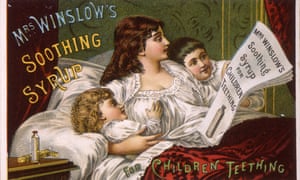
How opiate use was viewed in the 1900's: Mrs. Winslow’s Soothing Syrup for Children Teething with a Mother and children reading in bed.
 |
How opiate use is viewed today: Back from the dead: a police officer in Montgomery County, Ohio, administers the emergency anti-opioid medication Narcan to two users found unconscious in their car |

Very good post. It's always interesting to see how the acceptance of a drug has changed over time due to its societal influences. It's also worth noting that the acts you mentioned all came sometime after many people had developed "addictions" through these household products thereby these people were punished by the government for a problem created by pharmaceutical companies and little to no fault of there own.
ReplyDeleteI'm struck (here and with the cocaine / crack case) by the way race gets folded in.
ReplyDelete